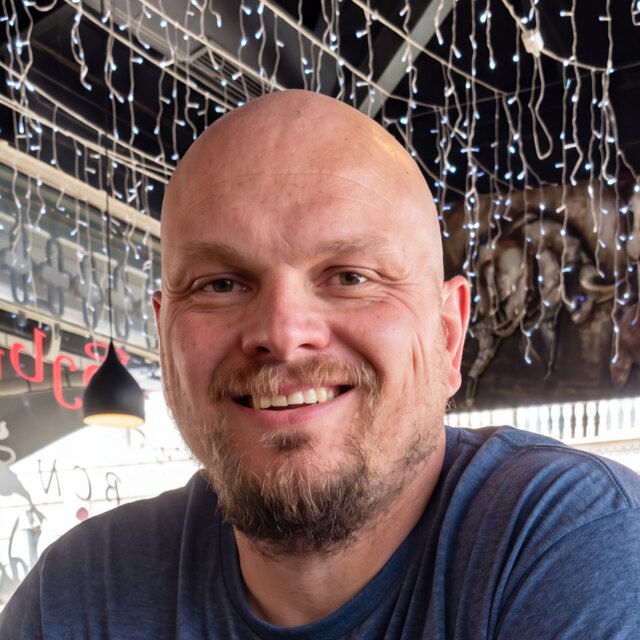
Shaun Strydom
Shaun Strydom writes science fiction and post-apocalyptic stories rooted in a single belief: that hope is worth fighting for, across any distance, any catastrophe, and any timeline.
His stories follow ordinary people who find themselves at the edge of everything, unprepared, afraid, and stubbornly refusing to give up. From generation ships crossing impossible distances to survivors walking broken roads toward the light, his characters carry hope the way most people carry scars.
Born in 1986 in Randfontein, South Africa, Shaun draws inspiration from science fiction, film, travel, and a lifelong obsession with worlds that do not yet exist. His novels include Amber Glow, Creatures of the Fall, and Escaping Ishtar.
Author Interview with Shaun Strydom, author of Not Hollow
1. What is the best thing for you about being a writer?
Definitely creating my own worlds: my own laws for how that world functions, its limits, its problems, and the new way of life my characters have to live by.
2. What is the hardest thing for you about being a writer?
The thought of starting. Once I sit down and start typing, all of that goes away; it’s just getting started.
3. What essential things have you learned about writing in the last year?
It’s not a job for one person. You need a team to make a book the best it can be, and you need people in your life who care about what you are doing.
4. Tell us about your journey in writing Not Hollow.
Without revealing any spoilers, it was by far my most complicated book: different timelines and a mission so insane that it needed an ending to tie it all together. I am a bit of a conspiracy follower, so if you mention the Mandela effect, the fake Moon landings, the JFK assassination, or even a flat Earth, I will dive into videos about those topics for hours. (I am not a flat earther 😊, but maybe it is…) That curiosity fed straight into the book because the Moon landing sits at the heart of the story.
5. What does your writing space look like at present?
Just a simple desk with my computer and a large screen. Behind me is a poster of my published books, and in front of me is my framed hole-in-one ball. I need coffee, Monster Energy, and time, and with those I will create an entire universe.
6. What helps you brainstorm plot ideas?
Whenever I am alone, whether I’m golfing, working, or mowing the lawn, worlds start to develop in my head.
7. Are you a plotter or a pantster, or some type of hybrid?
Pantser. I like to follow the journey with my characters, and I feel like a reader while I write these stories. That said, I always have an ending ready before I start, and that ending gets its final shape as the story progresses.
8. Do you use any writing software besides Word? If so, why?
No, I grew up with Word, and with Microsoft Office 97. Clippy was a big part of my younger years, so Word all the way.
9. Tell us three quirky or interesting things about yourself.
- I like to golf, and I hate to golf, but I golf nonstop.
- I am an introvert all the way. I do my best to hide it, but I don’t think I’m doing a good job.
- When I start something, I can’t stop until it’s done.
10. What rituals do you use to help you focus or get the words down on the page?
Coffee, energy drinks, and the Interstellar soundtrack when I write sci-fi. It makes a huge difference to the flow of my action scenes.
11. What are you reading at the moment that has nothing to do with your genre?
That’s a difficult one because I mainly write sci-fi and its variations, like dystopian and post-apocalyptic, and those are the books I read. At the moment, I am five books into the Bobiverse by Dennis E. Taylor, which I really enjoy. Next on my list is If We Survive the Night by Jo Salazar. Red Rising Book Four is waiting for me, as is The Faith of Beasts by James S. A. Corey, book two in The Captive’s War.
12. Name one thing on your bucket list.
Travel the world with no worries about money or time.
13. What book would you like to work on next?
I am a few chapters into a dystopian post-apocalyptic story. It’s a very bleak world, but it will have hope in it. There must always be hope, even if it’s just a single grain of sand on all the beaches of the world.
Books by Shaun Strydom
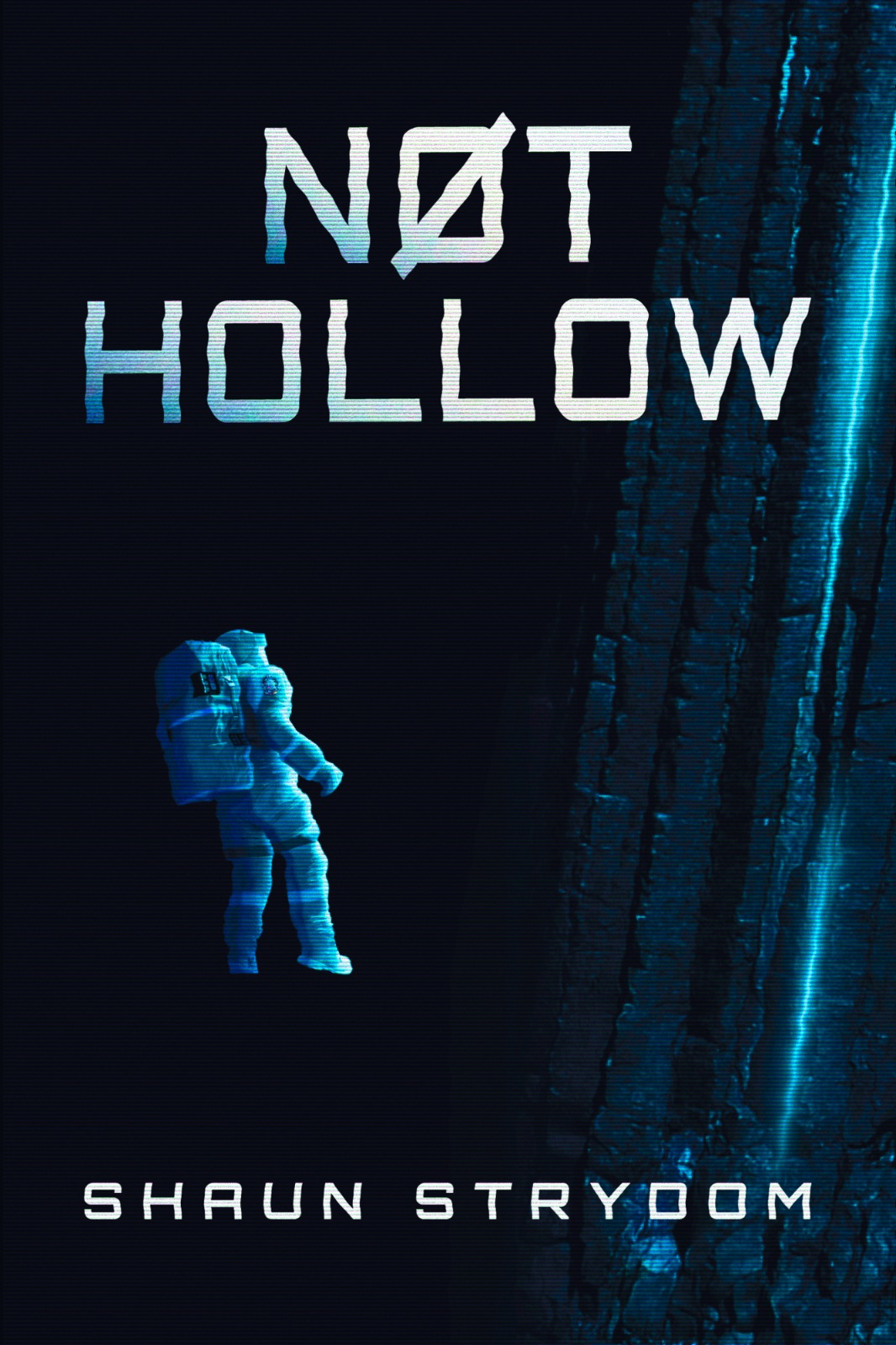 Oct 29, 2026
Not Hollow
It’s 1989: Two astronauts become the first humans to walk on the Moon. Then the world goes silent.